
Book details
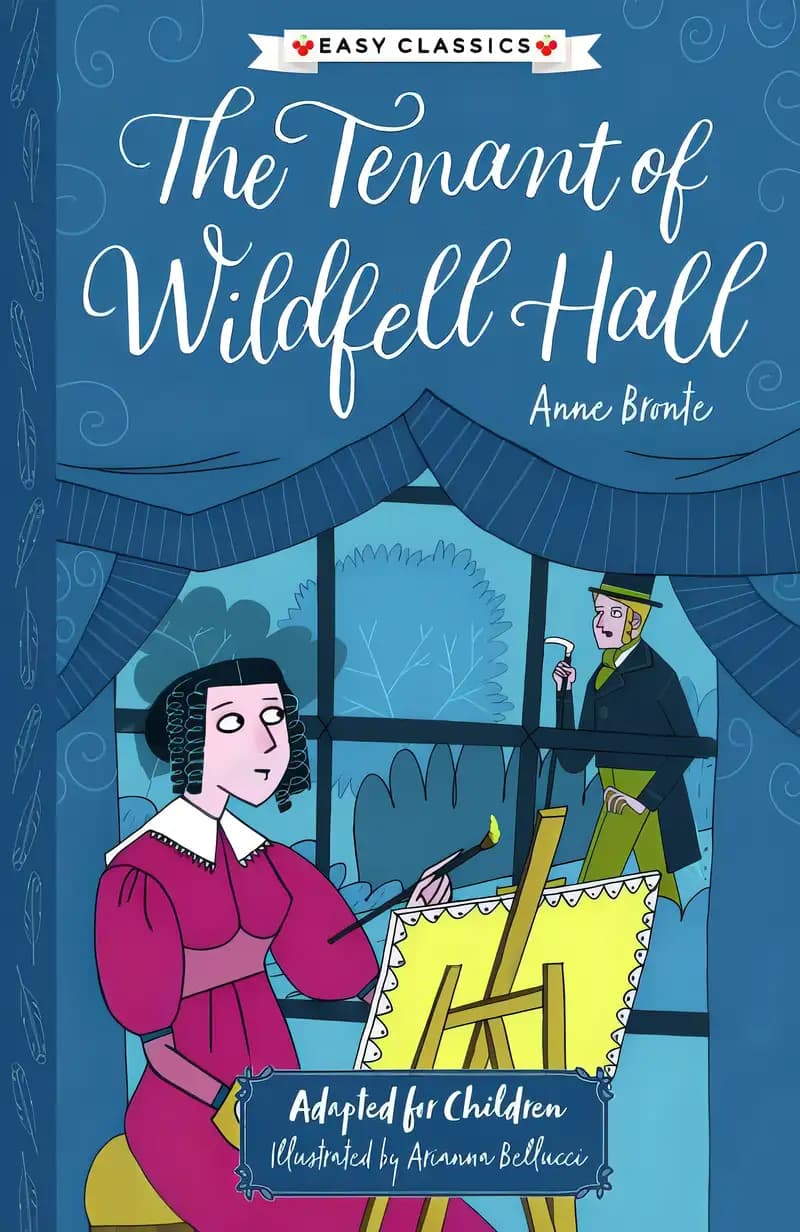
Anne Bronte: The Tenant of Wildfell Hall (Easy Classics) (Sweet Cherry Easy Classics)
Description
An illustrated adaptation of Anne Bronte's classic - at an easy-to-read level for readers of all ages! A mysterious woman has arrived at Wildfell Hall. Unmarried and living alone, she is the subject of whispers and rumours. Where has she come from? Where is her husband? Gilbert is determined to find out about this secretive woman. And, when he gets her journal, he finally has the chance … About the Sweet Cherry Easy Classics series: Sweet Cherry Easy Classics adapts classic literature into illustrated stories for children, introducing these timeless tales to a new generation. (All titles in the series are leveled for classroom use.)
Age
7-11
Text complexity
advanced
Length
112 pages
Why to read
- Classic Literature Accessible: 'The Tenant of Wildfell Hall (Easy Classics)' by Anne Brontë is adapted to be more accessible to modern readers, especially younger audiences or those for whom English is a second language. This adaptation maintains the essence of the original while simplifying the language, making it an excellent way to delve into classic literature without being overwhelmed by archaic language and complex sentence structures.
- Strong Feminist Themes: Anne Brontë's novel was ahead of its time, featuring a strong, independent female protagonist who challenges the social norms and gender roles of the Victorian era. Reading this adaptation can provide insight into early feminist literature and the ways in which Brontë's work contributed to discussions about women's rights and personal autonomy.
- Moral Complexity and Realism: The novel explores themes of morality, addiction, and the consequences of our choices, offering a nuanced portrayal of characters that is rare for its time. By reading this adaptation, one can appreciate Brontë's progressive approach to depicting the human condition and the complexities of personal relationships.
- Historical and Cultural Insight: 'The Tenant of Wildfell Hall' provides a window into the social and cultural attitudes of the 19th century. This adaptation allows readers to understand the historical context of the era and the challenges faced by individuals who sought to break free from societal expectations, enriching one's knowledge of literary history and cultural evolution.