
Book details
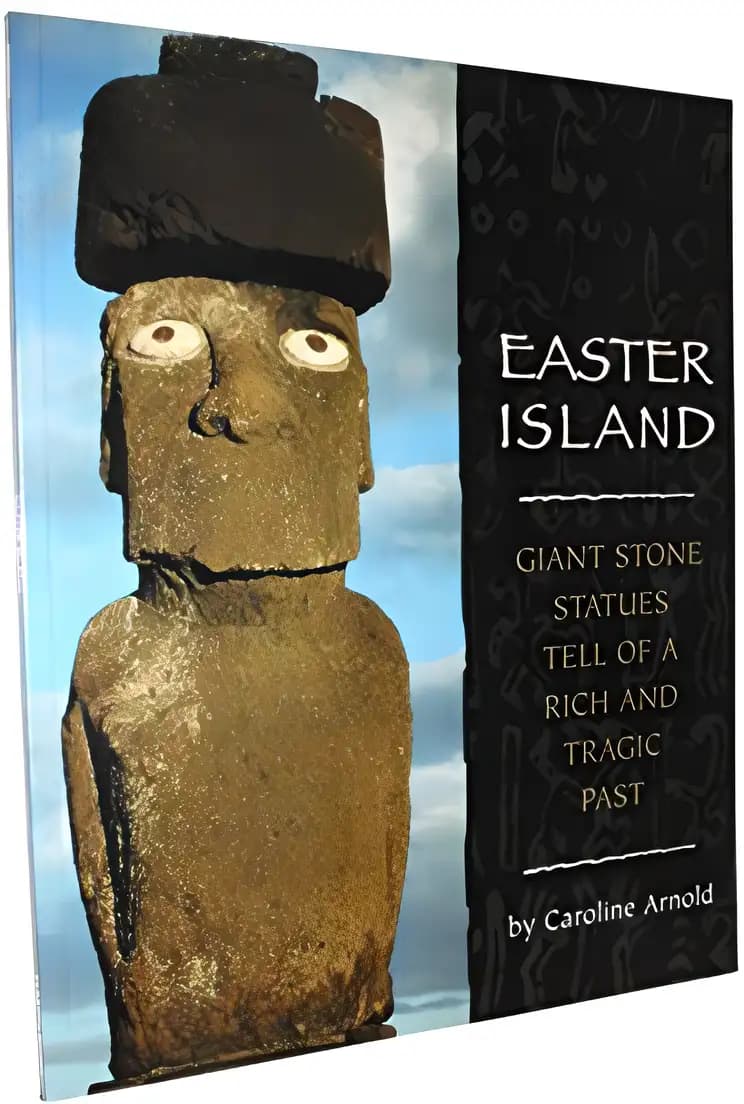
Easter Island: Giant Stone Statues Tell of a Rich and Tragic Past
Description
In about A.D. 400, a group of seafarers reached a small, isolated island in Polynesia and founded a new settlement, developing a rich and complex culture that lasted more than a thousand years. The population eventually declined, leaving behind only a few inhabitants and hundreds of giant stone statues. Caroline Arnold explores the history of Easter Island by examining its natural resources, listening to family stories and legends, and studying the statues and other artifacts. The book includes photographs by the author, providing a visual accompaniment to this account of one of the most remote and fascinating places on earth. It also features a glossary, bibliography, and index.
Age
8-10
Text complexity
advanced
Length
48 pages
Why to read
- Gain Insight into a Unique Civilization: The book provides an in-depth look at the Rapa Nui people and the intriguing society they built on Easter Island, offering readers a chance to learn about a culture that is both enigmatic and fascinating.
- Understand the Significance of the Moai: Caroline Arnold delves into the history and meaning behind the island's giant stone statues, known as moai, giving readers a deeper appreciation for these monumental works of art and their role in the island's history.
- Explore Environmental Lessons: The book examines the ecological challenges faced by the island, including deforestation and resource depletion, offering valuable lessons on sustainability and the consequences of environmental mismanagement.
- Discover a Story of Human Triumph and Tragedy: Through the narrative, readers will encounter a tale of human ingenuity and resilience, as well as the tragic consequences that befell the Rapa Nui civilization, providing a compelling story that is both educational and emotionally engaging.