
Book details
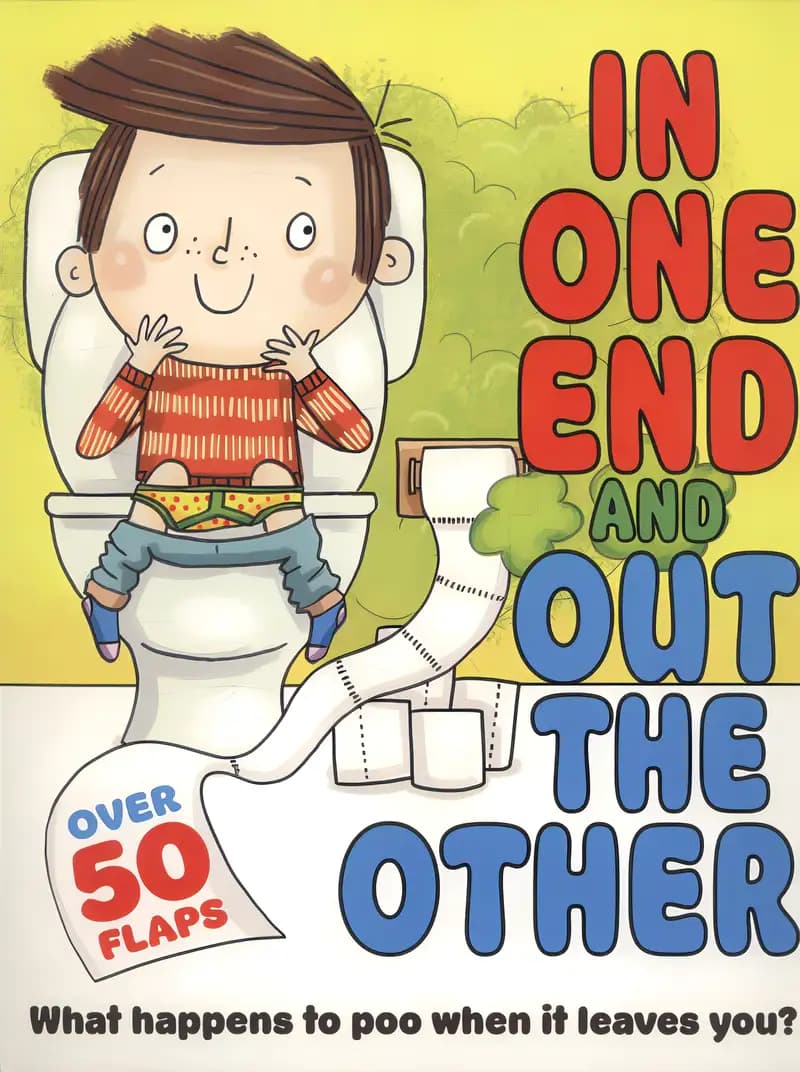
In One End and Out the Other: What Happens to Poo When It Leaves You? (Flip Flap Journeys)
Description
From author Dr Mike Goldsmith and illustrator Richard Watson comes 'In One End and Out the Other', a lift-the-flap science book that explores the journey of food and drink through the body. Winner of the Silver Primary Teacher Update Award 2014, this engaging book allows children to follow the process of digestion, from ingestion to what happens at a sewage treatment plant. With over 40 science books written since 1999, Dr Goldsmith, former Head of Acoustics at the UK's National Physical Laboratory, brings a wealth of knowledge to this topic. The book is filled with more than 50 flaps and is ideal for children aged 5 and older, appealing to their curiosity about what happens after they flush the toilet. Co-creator Richard Watson is a renowned illustrator of children's books.
Age
5-7
Text complexity
proficient
Length
14 pages
Why to read
- Educational Content: The book provides a fun and engaging way to learn about the human digestive system and what happens to food from the moment it is eaten until it is excreted. It's a great resource for children to understand their bodies better.
- Interactive Experience: With its flip flap design, the book offers an interactive reading journey that keeps children entertained while they learn. This hands-on approach can help to reinforce the information and make the learning process more memorable.
- Humorous Approach: Mike Goldsmith tackles a topic that could be considered taboo or gross with humor and lightness, making it more approachable for children. The amusing illustrations and playful text can help to engage young readers who might otherwise be reluctant to learn about bodily functions.
- Quality Illustrations: The book is filled with colorful and detailed illustrations that complement the educational content. These visuals help to break down complex processes into understandable parts, making it easier for children to grasp the concepts being taught.