
Book details
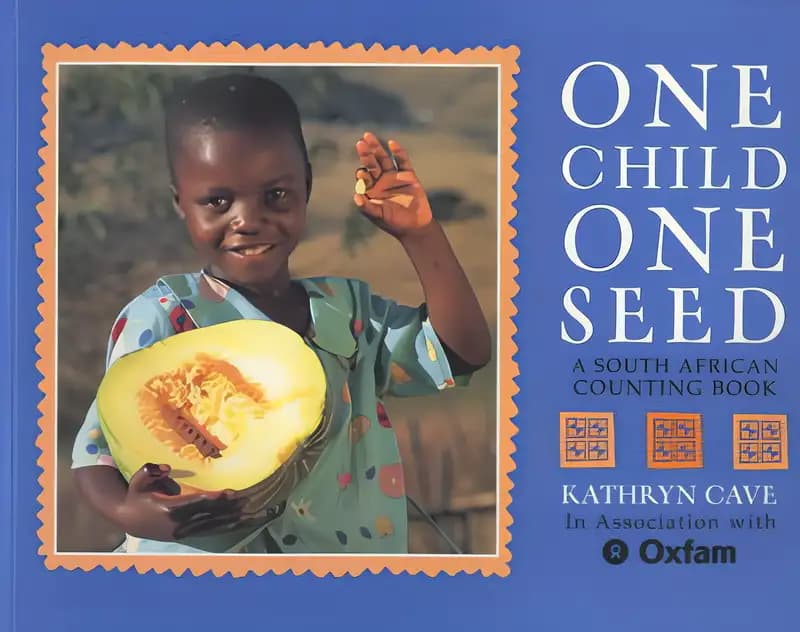
One Child One Seed
Description
Here is a counting book to widen the horizons, packed with information about the life and culture of South Africa, and accompanied by stunning, full-colour images from Oxfam's photographers. Each spread features a main photograph that follows Nothando, as she grows and harvests a pumpkin seed and contains simple counting from 1 to 10. Surrounding this are secondary images and text, containing an abundance of information about the growing of plants and crops, shopping, travelling, food preparation, family meals and much more. Cultivating, sharing, preparing. Starting with a single seed in a child's hand and leading right through to a warm, nourishing meal (with plenty for all), this colorful book offers up a satisfying story of the fruits of a communal effort. So play a simple counting game. Watch a pumpkin grow. Follow young Nothando and discover the rhythms of her daily life in this vivid portrait of one child, one seed, and the South African village in which they both thrive.
Age
4-8
Text complexity
intermediate
Length
32 pages
Book in series
#2
Why to read
- Cultural Awareness: 'One Child, One Seed' provides readers with a glimpse into the daily life and cultural practices of a South African family, offering valuable insights into a culture that may be different from their own.
- Educational Value: The book introduces children to counting and the concept of growth cycles through the story of a young girl planting a seed, making it a useful tool for teaching basic math and science concepts.
- Vibrant Illustrations: The book is filled with colorful and engaging illustrations that capture the essence of rural South African landscapes and communities, making it visually appealing to young readers.
- Social Themes: Kathryn Cave addresses themes of responsibility, sustainability, and the importance of agriculture in a way that is accessible to children, encouraging them to think about where their food comes from and how it is grown.