
Book details
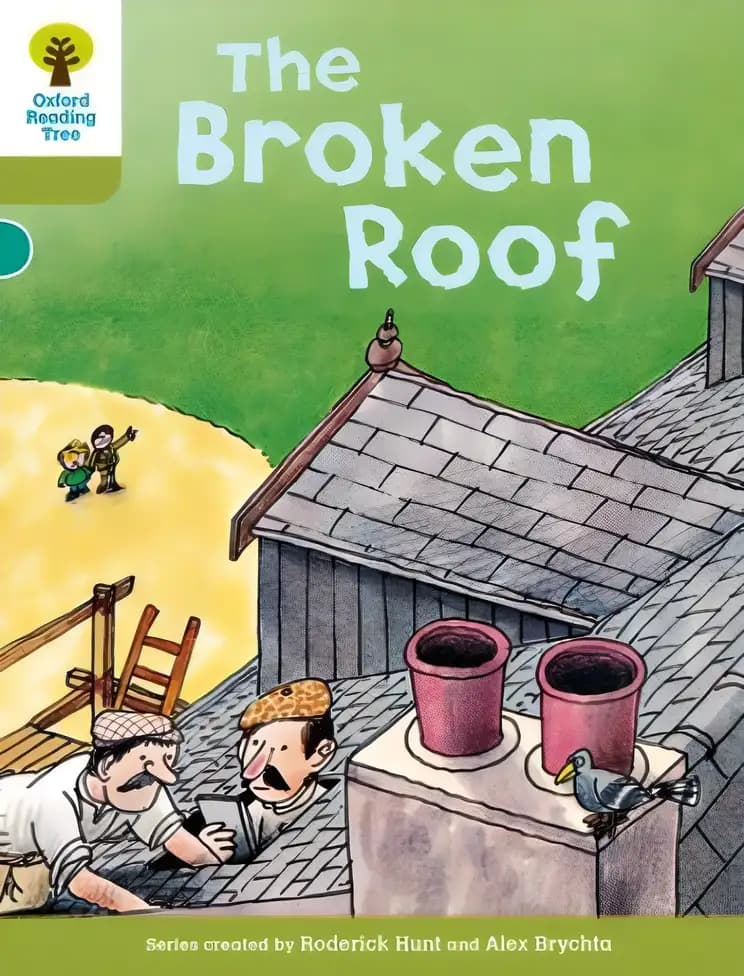
Oxford Reading Tree Owls Playscripts: Stage 7: The Broken Roof
Published in
1987
on Goodreads (61)
Description
This playscript closely follows the original 'Oxford Reading Tree' story, designed to develop speaking and reading skills through role-playing and shared participation. It includes a maximum of 8 speaking parts, with additional non-speaking roles and sound effects. The series indicates longer and shorter parts in a casting note for teachers. Additionally, Talking Stories at Stage 6 include: 'In The Garden,' 'Kipper And The Giant,' 'Robin Hood'; and at Stage 7: 'Red Planet,' 'Lost In The Jungle,' 'The Broken Roof.' Each CD-ROM from Stage 2 upwards offers word, sentence, and text level activities. The teaching notes for the Oxford Reading Tree Biff, Chip and Kipper books are full of practical suggestions for using the storybooks, saving you hours of preparation time. They have been updated in line with the simple view of reading and the renewed Primary Framework for Literacy. They now include guidance for group/guided reading, comprehension and word recognition, and assessment. These replace the existing Teaching Notes and Guided Reading Cards. The storybooks are unchanged, but notes for parents/carers and teaching assistants have been added to the inside covers. These notes replace the existing Take-Home Cards.
Age
7-8
Text complexity
intermediate
Length
24 pages
Book in series
#1
Why to read
- Enhanced Reading Skills: The 'Oxford Reading Tree Owls Playscripts: Stage 7: The Broken Roof' is designed to help young readers develop their fluency and expression. Reading playscripts requires attention to dialogue and stage directions, which can improve reading comprehension and literacy.
- Engagement with Storytelling: This book offers an engaging story that can captivate children's interest. The format of a playscript encourages readers to imagine the scenes and characters, fostering creativity and a love for storytelling.
- Group Reading Opportunities: Playscripts are ideal for group reading activities, allowing children to perform different roles and work on their speaking and listening skills. This can be a fun way for children to interact with the text and with each other.
- Familiarity with Stage Formats: By reading a playscript, children become familiar with the structure and elements of theatrical writing. This knowledge can be beneficial for their understanding of literature and can enhance their appreciation of the performing arts.