
Book details
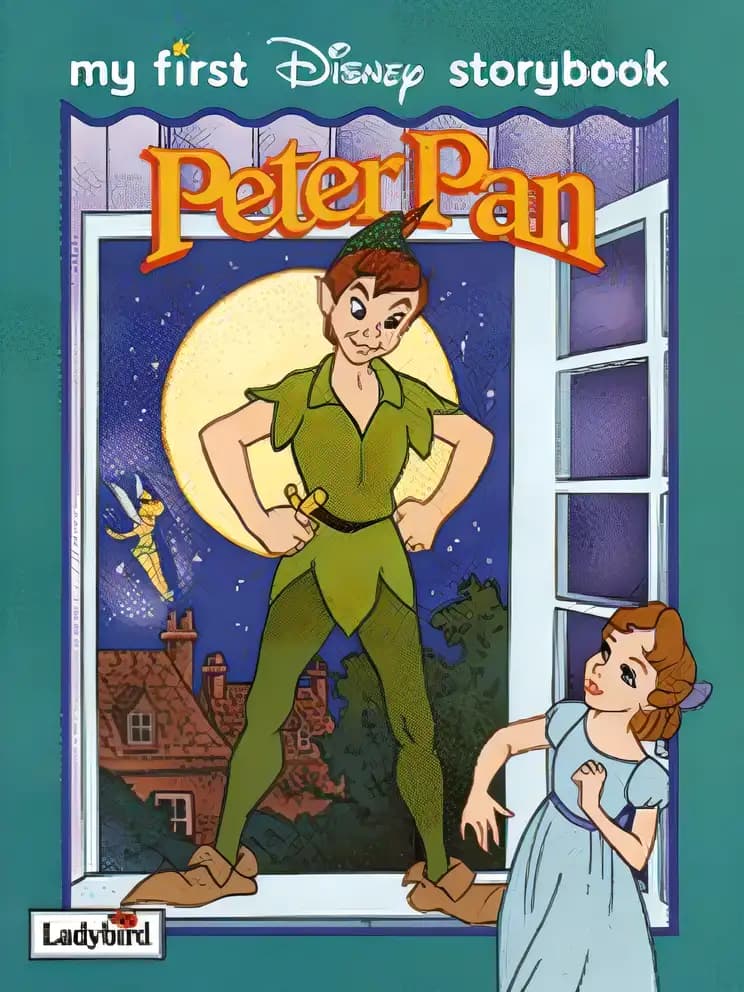
Peter Pan
Description
J.M. Barrie's classic story about a boy who never grows up and his adventures in Neverland—now in dyslexia-friendly font! One starry night, Peter Pan and Tinker Bell lead the three Darling children over the rooftops of London and away to Neverland - the island where lost boys play, mermaids splash and fairies make mischief. But a villainous-looking gang of pirates lurk in the docks, led by the terrifying Captain James Hook. Magic and excitement are in the air, but if Captain Hook has his way, before long, someone will be walking the plank and swimming with the crocodiles. This special edition from Common Classics has been updated with a dyslexia-friendly font designed to increase readability for readers with dyslexia. Unique letter shapes, heavy weighted bottoms, and wider letter spacing may help some symptoms of dyslexia.
Age
7-18
Text complexity
beginner
Length
32 pages
Why to read
- Timeless Adventure: 'Peter Pan' offers a timeless adventure that captures the imagination of both children and adults. The story takes readers to the magical world of Neverland, where they can experience the excitement of flying, battling pirates, and living without the constraints of grown-up rules.
- Themes of Youth and Innocence: The book explores poignant themes such as the innocence of childhood, the bittersweet nature of growing up, and the desire to hold onto youth. These themes resonate with readers of all ages, reminding them of the joys and challenges of childhood.
- Iconic Characters: 'Peter Pan' introduces readers to a cast of iconic characters, including Peter Pan himself, Wendy, Captain Hook, Tinker Bell, and the Lost Boys. These characters have become cultural touchstones and provide a rich tapestry of personalities and relationships to engage with.
- Inspiration for Creativity: The imaginative world of 'Peter Pan' inspires creativity and encourages readers to dream. The fantastical elements of the story, such as flying and fairy magic, stimulate the imagination and invite readers to envision a world of endless possibilities.