
Book details
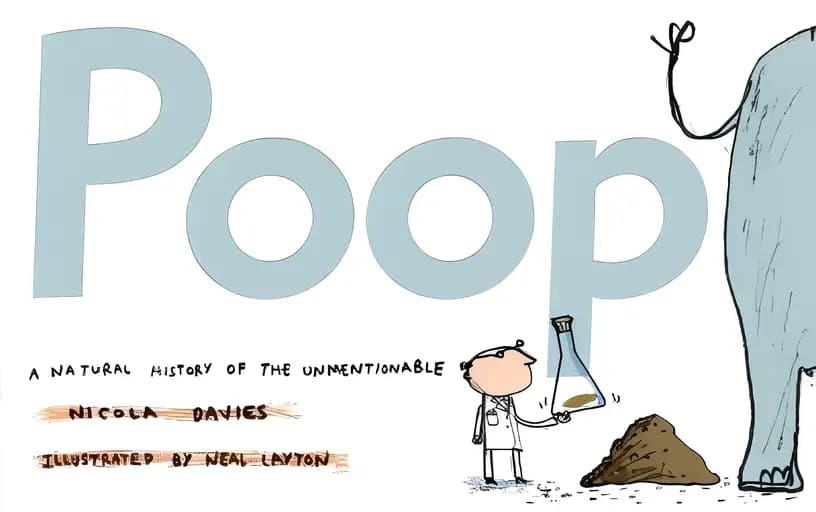
Poop: A Natural History of the Unmentionable (Animal Science)
Description
A noted zoologist collaborates with a playful illustrator to create an engaging and informative guide exploring the world of animal feces. The book reveals how different species utilize poop, from hippos using it to navigate to sloths using it to communicate. It also delves into how scientists study animal feces to uncover dietary habits and ancient behaviors, showcasing poop as an essential tool for recycling and gaining knowledge about the natural world. The book highlights how poop provides insights into the diets, behaviors, and ecosystems of various animals and is a valuable resource for scientific discovery and environmental conservation.
Age
7-11
Text complexity
proficient
Length
64 pages
Why to read
- Educational Value: The book provides a scientific exploration of a topic that, while often considered taboo, is a natural and important part of animal biology. It offers readers a chance to learn about the role of poop in ecosystems, animal behavior, and the nutrient cycle.
- Engaging Content: Nicola Davies presents the subject matter in a fun and accessible way, making it an enjoyable read for people of all ages. The book's lighthearted approach to the topic can help engage readers who might otherwise be reluctant to learn about biological processes.
- Health and Hygiene Insights: Understanding the nature of poop can also lead to better insights into health and hygiene. The book can help readers appreciate the importance of sanitation and the potential risks associated with waste, contributing to a more informed perspective on public health.
- Conversation Starter: Despite its 'unmentionable' status, poop is a universal experience. Reading this book can provide interesting facts and anecdotes that can serve as unique conversation starters, helping to break down cultural taboos and encourage open discussion about natural biological functions.