
Book details
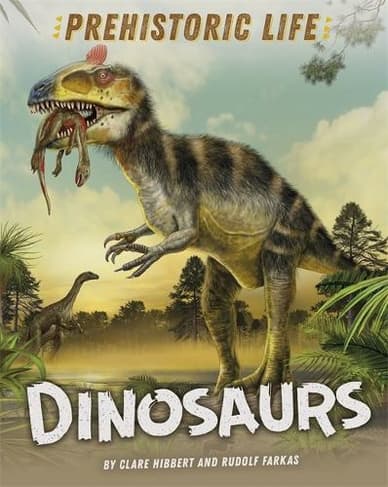
Prehistoric Life: Dinosaurs
Description
Dive into 'Prehistoric Life: Dinosaurs' by Clare Hibbert, an engaging exploration designed to captivate young minds with the thrilling world of dinosaurs. This book masterfully combines vivid illustrations with fact-filled pages to foster a deeper understanding of these magnificent creatures. Ideal for young readers, it encourages curiosity and learning, aligning with developmental stages to enhance their knowledge about the prehistoric era. A perfect tool to not only improve literacy but also to enjoy as a family, instilling a lasting love for reading and discovery. A fascinating insight into some of the incredible invertebrates that lived on Earth millions of years ago. Hundreds of millions of years before humans had evolved, our planet was already teeming with life. In prehistoric oceans, stony deserts, warm swamps and vast grasslands, there lived an incredible variety of plants and animals. Dinosaurs came in all shapes and sizes. Huge sauropods stomped across wide plains, small theropods hunted in packs to bring down larger prey, Triceratops' fought each other to defend their territories and monstrous Tyrannosaurus rex terrorised many other living things. Delve into Prehistoric Life and discover some astounding mammals, birds and other vertebrates that once lived on Earth. This stunningly illustrated series looks at life in the prehistoric era, focusing not just on dinosaurs, but looking at the world as a whole. The prehistoric era is absolutely fascinating for children and adults alike, and is useful for schools studying history chronologically. Amazingly detailed and accurate illustrations bring the prehistoric era to life. Engaging reading for children aged 7+. Prehistoric Life is a series of four books, covering Mammals, Birds and other Vertebrates, Insects, Bugs and other Invertebrates, Plants, and Dinosaurs.
Age
7-9
Text complexity
proficient
Length
32 pages
Book in series
#1
Why to read
- Gain insights into the life and times of various dinosaur species.
- Learn about the environmental factors that contributed to the extinction of dinosaurs.
- Explore the science behind paleontology and how discoveries are made.
- Understand the importance of environmental conservation through historical context.