
Book details
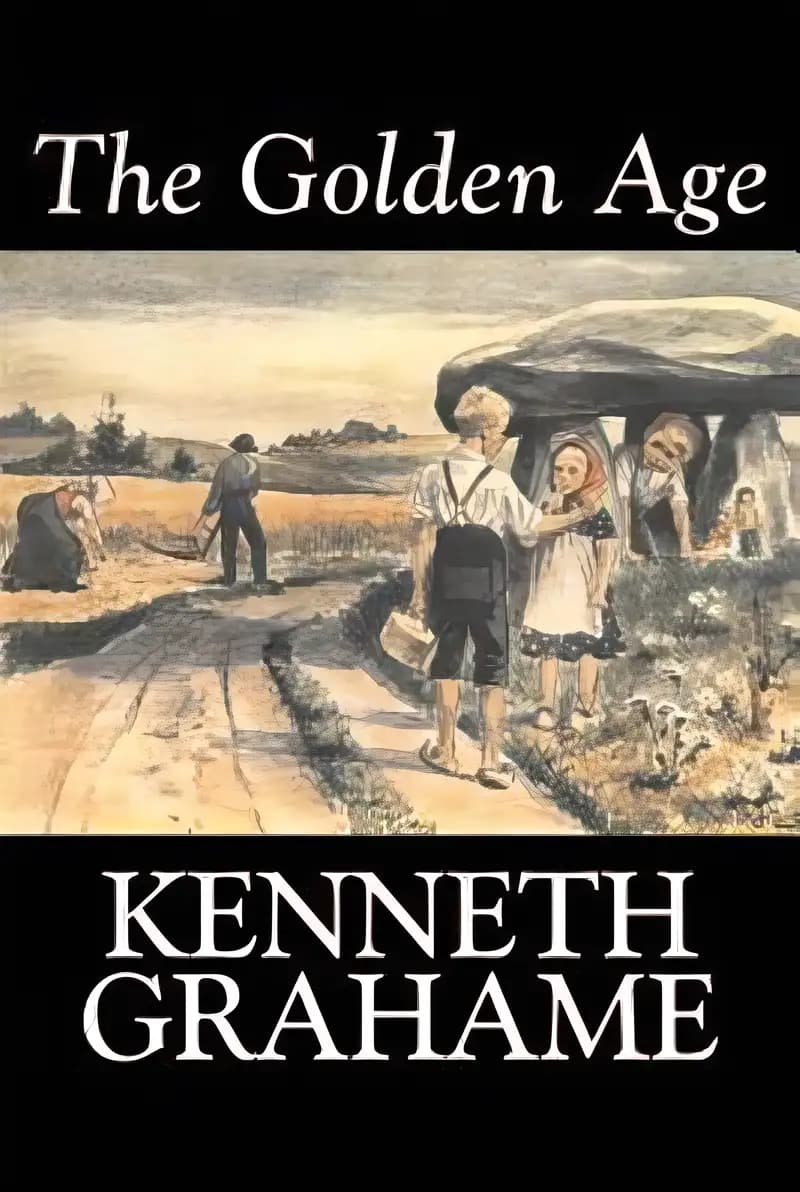
The Golden Age: Kenneth Grahame's Nostalgic and Whimsical Novel of Childhood and Imagination
Description
The Golden Age by Kenneth Grahame, published in 1895, is a collection of stories that captures the essence of childhood in late Victorian England. Through elegant writing, Grahame presents the unique perspectives of children, whose marvelous viewpoints often confound the adults around them. The narrative draws parallels to The Wind in the Willows, replacing storybook animals with real children engaged in imaginative adventures. In the stories, Grahame recalls games played, places discovered, and legends created by kids, making everyday life seem magical. The book also reflects on Grahame's youth among 'Olympians,' or adults embodying Victorian values, which provided balance to his imaginative boyhood. Now an adult himself, Grahame ponders if he has become an Olympian, seeking answers in the joy and freedom of his childhood. Filled with references to classical Greek mythology, The Golden Age is a nostalgic yet timeless exploration of the past's impact on our present, making it a classic for both children and adults.
Age
8-13
Text complexity
advanced
Length
104 pages
Book in series
#1
Why to read
- Timeless Themes: 'The Golden Age' explores universal themes of childhood, imagination, and the bittersweet nature of growing up. These themes resonate with readers of all ages, offering a reflective journey into the innocence and wonder of youth.
- Literary Merit: Kenneth Grahame is renowned for his lyrical prose and masterful storytelling. Reading 'The Golden Age' allows one to appreciate the craftsmanship of a celebrated author, whose work has influenced generations of writers and readers alike.
- Nostalgic Escape: Grahame's novel provides a nostalgic escape into a bygone era, evoking the simplicity and joys of childhood. It serves as a reminder of the importance of imagination and play, offering a respite from the complexities of modern life.
- Cultural Insight: 'The Golden Age' offers insight into late 19th-century English society, capturing the customs, attitudes, and social dynamics of the time. It is not only a novel but also a historical document that enriches the reader's understanding of a different era.